
The allure of chance and uncertainty
The excitement of chance is a compelling aspect of gambling that draws many people to casinos, where they might discover the best online casino australia options available. The uncertainty of outcomes keeps players engaged, heightening their anticipation and emotional responses. This thrill is deeply rooted in the human psyche, where the unpredictability of winning or losing creates a rush that enhances the gaming experience. Players often report feelings of adrenaline and excitement, which can be addictive, encouraging them to return for more experiences that provide a high similar to that of risk-taking in other forms.
Moreover, the concept of “near misses” plays a significant role in the psychology of gambling. When players come close to winning, it can trigger a sense of optimism and motivate them to continue gambling, believing that they are just one step away from a big payout. This phenomenon can lead to repetitive play, as individuals chase the feeling of being close to victory, reinforcing their behavior and making it harder to walk away from the game. The psychological impact of these near misses can create a persistent urge to play, often leading to extended periods at the gaming tables or machines.
Lastly, the environment within casinos is meticulously designed to enhance this allure. From the sounds of cheering and ringing bells to the brightly colored lights, everything is orchestrated to create an atmosphere that tantalizes and enthralls. This sensory stimulation can create a sense of escapism, where players forget their everyday worries and immerse themselves in a world governed by chance. The psychological impact of this ambiance is profound, making it a crucial element in the appeal of gambling. The combination of sound, sight, and social interaction creates a powerful cocktail that keeps players returning for more.
The role of social interactions
Gambling often serves as a social activity, bringing people together in a shared environment. Whether it’s at poker tables, slot machines, or during games, the shared experience can foster camaraderie and social bonding among players. Engaging with others who share similar interests enhances enjoyment and can lead to the development of friendships or social networks. This collaborative aspect draws individuals to casinos, as the social component can be as rewarding as the potential for financial gain. The atmosphere of shared excitement can amplify the thrill of the game, making it a collective experience.
Additionally, the competitive nature of gambling creates a sense of community among players. Many individuals thrive in competitive settings, finding joy and motivation in challenging others or working towards the same goal. The social stakes in games can heighten the excitement, as players vie for victories not just for financial reward but for respect and recognition among peers. This competitive spirit can transform the simple act of gambling into a vibrant social event where the experience itself becomes integral to why people participate. The sense of belonging that comes from being part of a group can enhance the overall enjoyment of the gaming experience.

Lastly, casinos often cultivate a sense of exclusivity and privilege among their patrons. VIP areas, members’ clubs, and special events provide a sense of belonging and status, attracting players who wish to identify with a particular social group. Experiencing gambling in this context not only serves as entertainment but as a means of social validation. This psychological desire for acceptance and belonging is a significant driver for many casino-goers, illustrating the profound influence of social interactions on gambling behavior. The feeling of being part of an exclusive club can enhance one’s motivation to engage in gambling activities.
The impact of reward and reinforcement
The psychological principle of reward and reinforcement lies at the heart of why many people are drawn to gambling. When individuals win, whether small or large amounts, their brains release dopamine, a neurotransmitter associated with pleasure and reward. This chemical reaction reinforces the behavior, making individuals more likely to return to gambling in the future. The anticipation of winning, alongside the thrill of the game, creates a potent mix that can lead to habitual gambling behaviors. This cycle of reward and reinforcement is a fundamental aspect of why many find gambling so compelling.
Furthermore, the variable ratio reinforcement schedule present in many gambling activities means that rewards are not given at fixed intervals. Instead, players may experience sudden wins after a series of losses, which can be incredibly enticing. This unpredictability keeps players engaged and encourages them to keep playing, hoping they will be the next to receive a reward. Such psychological triggers not only sustain interest but can lead individuals to gamble much longer than they initially intended, sometimes resulting in problematic gambling habits. The thrill of the chase can often overshadow the reality of the losses incurred.
Lastly, the concept of ‘loss aversion’ plays a crucial role in reinforcing gambling behaviors. Research shows that individuals tend to prefer avoiding losses over acquiring equivalent gains. This means that gamblers may continue playing to recover their losses, believing that they can turn their luck around. This mindset can trap players in a cycle of chasing losses, where the pursuit of a win overshadows rational decision-making. Understanding this psychological factor is vital in addressing responsible gambling practices and ensuring that players are aware of the risks involved. Recognizing the impact of loss aversion can help individuals make more informed choices when participating in gambling activities.
The influence of marketing and design
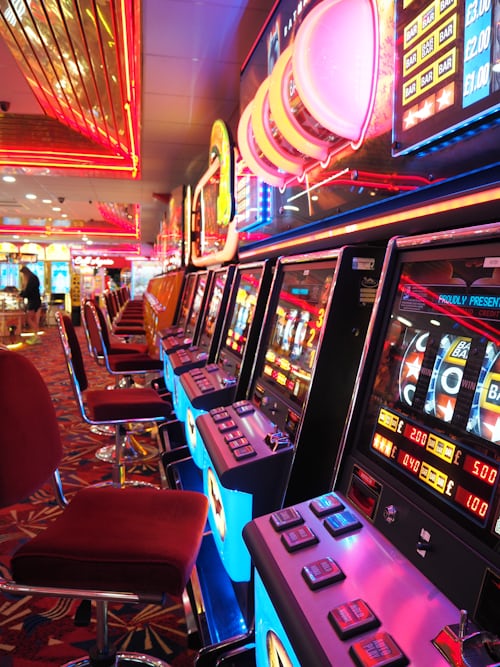
The design and marketing strategies of casinos are pivotal in drawing people in and enhancing their experiences. Casinos often utilize a combination of visual and auditory stimuli to create an environment that feels exciting and inviting. The vibrant colors, engaging sound effects, and themed gaming areas work together to create a sense of immersion, enticing visitors to stay longer and play more. This strategic design is meticulously crafted to appeal to the psychology of gambling, making it hard for players to resist the allure of participating. The sensory overload can create a euphoric experience that keeps players engaged.
Additionally, promotional offers, such as bonuses and free plays, are strategically deployed to attract new customers and retain existing ones. By capitalizing on the excitement surrounding the possibility of ‘free money,’ casinos effectively entice individuals to take risks they might otherwise avoid. This marketing approach plays on the gambler’s hope of winning without the initial cost, further embedding the psychological connection to the act of gambling. The clever use of marketing tactics can significantly increase foot traffic and participation in gaming activities.
Finally, the use of celebrity endorsements and sponsorships has become increasingly common in the gambling industry. Associating brands with well-known personalities helps to legitimize and glamorize the act of gambling. This connection can create aspirational feelings among potential gamblers, leading them to equate gambling with success and excitement. The psychological impact of such associations cannot be underestimated, as they can significantly influence an individual’s decision to engage in gambling activities. The allure of celebrity can make gambling seem more appealing and socially acceptable, further driving participation.
Understanding responsible gambling and support
As gambling continues to grow in popularity, it is essential to address the importance of responsible gambling practices. Understanding the psychology behind gambling helps individuals recognize their motivations and potential triggers, enabling them to make informed choices. Casinos and gambling institutions are increasingly promoting responsible gaming initiatives, providing resources to educate players about the risks associated with gambling behaviors. This proactive approach aims to foster a culture of awareness and caution among players. By equipping individuals with knowledge, the industry can help mitigate the risks of problematic gambling.
Furthermore, support systems for those struggling with gambling addiction are crucial. Many organizations and hotlines are available to provide assistance, helping individuals navigate their relationship with gambling. These resources can offer counseling, support groups, and rehabilitation programs designed to help gamblers regain control of their actions and motivations. By emphasizing the need for support and awareness, society can work towards minimizing the negative impacts of problem gambling and ensuring that individuals can enjoy gambling as a form of entertainment rather than a source of distress. This support is vital for fostering a healthier relationship with gambling.
Lastly, education plays a significant role in preventing gambling-related issues. By teaching individuals about the psychological traps and motivations that underlie gambling behaviors, it is possible to foster a more informed public. This knowledge empowers players to understand their actions and encourages them to seek help when needed. Promoting a culture of education and awareness can significantly contribute to the overall well-being of individuals participating in gambling activities. Through comprehensive education initiatives, the industry can help ensure that gambling remains a safe and enjoyable pastime for all.